Usually, when we start hearing about cold temperatures, people begin asking when they need to bring their houseplants in for the winter. If you are like me, you will probably move houseplants and other tender plants inside to protect them through the winter months. As we have started to have colder temperatures, it is time to start thinking about bringing plants inside for the winter. Many houseplants, which are tropical plants, can be damaged when the temperature drops below 50°F. As you bring in houseplants, there are tips to follow that will keep them doing well during the winter.
Time to Bring Houseplants Indoors
(Updated: Dec. 4, 2025, 10:51 a.m.)
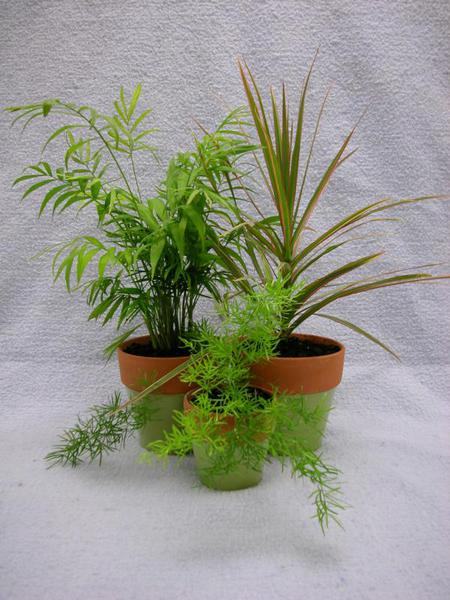
The most important thing you can do for your houseplants is to prevent shock by immediately bringing them inside to an environment of warmer temperatures, lower humidity, and less light. Plants that are suddenly moved to a different climate show symptoms of yellowed leaves, dieback, and wilt. If the shock is great enough, some plants won’t even survive. To prevent this shock, you should gradually expose plants to the indoor environment. A few days before moving plants inside, I typically move mine close to the house under the porch where it is slightly warmer and receives less light. Finding areas close to the house that are somewhat sheltered - like a carport, porch, or deck - will work well for letting the houseplant transition and preventing shock once it is moved inside.
Before moving your houseplants indoors, be sure to inspect them for insects and diseases. It would be best to treat a pest problem before bringing the plant back inside. Bringing in a houseplant with a pest problem could allow it to spread to other plants. Don’t forget that some insects could be lurking in the soil. If you are not sure if there are insects in the soil, one hint is to soak the container in a tub of slightly warm water for about 15 minutes. This will make many insects “run for higher ground” and come up to the soil surface.
One important insect to watch out for is fire ants. You don’t want to bring them inside and then discover the problem. Fire ants can often be found living in the soil inside the container. Check the bottom of the container closely for any evidence of fire ants. If fire ants are discovered, use an insecticide labeled for fire ant control. Use caution when selecting an insecticide and choose one that is for indoor and outdoor use or elect instead elect to keep the plant outdoors until you are certain the fire ants are gone. Repotting may have to be an option if you can’t seem to eliminate the fire ants in the container’s soil.
Additionally, be sure to inspect the plants for little critters that could be hiding or have made a home in the plant. I have made the mistake of bringing in plants without checking them closely, and a few weeks later, I discovered some lizards and tree frogs making a cozy home in the plant. There are many possible critters that could make your houseplant a home to be sheltered from the cool, fall weather. Taking the time to inspect the plants closely can be a good investment to prevent unwanted house guests from stopping by for a visit!
Once your houseplants are inside, you will not have to water them as often as you did over the summer. A common mistake when growing houseplants is overwatering. The best way to know when a plant needs water is to feel the soil to determine if it is dry and in need of water.
By following a few quick steps to transition your houseplant and inspect for pest problems, you will have a healthy houseplant that will continue to grow well even through the winter months.
Jessica Strickland is an Agriculture Extension Agent, specializing in horticulture for North Carolina Cooperative Extension in Wayne County.
Learn More!- Sign up for the Wayne County Extension Gardening email list to receive timely gardening tips.
- Follow us on Facebook and Instagram.
- Visit the North Carolina Extension Gardener Plant Toolbox to discover more plant ideas for your garden.
Join our mailing list!
Enter your email address to receive updates.
Written By