January Gardening Tips

— Written By
en Español / em Português
Español

El inglés es el idioma de control de esta página. En la medida en que haya algún conflicto entre la traducción al inglés y la traducción, el inglés prevalece.

Al hacer clic en el enlace de traducción se activa un servicio de traducción gratuito para convertir la página al español. Al igual que con cualquier traducción por Internet, la conversión no es sensible al contexto y puede que no traduzca el texto en su significado original. NC State Extension no garantiza la exactitud del texto traducido. Por favor, tenga en cuenta que algunas aplicaciones y/o servicios pueden no funcionar como se espera cuando se traducen.


Português

Inglês é o idioma de controle desta página. Na medida que haja algum conflito entre o texto original em Inglês e a tradução, o Inglês prevalece.

Ao clicar no link de tradução, um serviço gratuito de tradução será ativado para converter a página para o Português. Como em qualquer tradução pela internet, a conversão não é sensivel ao contexto e pode não ocorrer a tradução para o significado orginal. O serviço de Extensão da Carolina do Norte (NC State Extension) não garante a exatidão do texto traduzido. Por favor, observe que algumas funções ou serviços podem não funcionar como esperado após a tradução.


English

English is the controlling language of this page. To the extent there is any conflict between the English text and the translation, English controls.

Clicking on the translation link activates a free translation service to convert the page to Spanish. As with any Internet translation, the conversion is not context-sensitive and may not translate the text to its original meaning. NC State Extension does not guarantee the accuracy of the translated text. Please note that some applications and/or services may not function as expected when translated.

Collapse ▲

As we start a new year, many gardeners begin to dream of warm spring days spent in the garden. While the weather is cool, take advantage of January to plan and prepare for the upcoming growing season.

 General Maintenance

  • Ensure your tools are ready for spring. Sharpen cutting blades and change the oil in any motorized garden equipment.
  • Add lime to your garden and landscape if your soil test results recommend it. Because lime takes several months to significantly change soil pH, applying it now allows it to work before the peak growth season begins.

Lawn Care

  • On a warm day, treat winter weeds like wild garlic and chickweed with a broadleaf herbicide, making sure to follow all product label directions.
  • Avoid heavy traffic on dormant lawns. Dry grass is easily broken, and the crown of the plant may be severely damaged or killed if trampled while dormant.

Trees, Shrubs and Flowers

  • Enjoy winter-blooming perennials and shrubs such as hellebores, rosemary and camellias.
  • Winter is an ideal time to mulch landscape beds. With less foliage present and many plants having died back, the ground is much easier to access.
  • Early in the new year, winter-flowering camellias (Camellia japonica) begin their display. Enjoy the blooms, but be vigilant about raking up and disposing of spent blossoms that drop to the ground. These fallen flowers can host petal blight, a fungal disease that discolors future blooms with brown splotches.
  • Study your home landscape to identify where you can add new plants or make structural improvements this spring.
  • Water your plants just before a predicted cold snap. Moist soil stays warmer than dry soil, helping roots survive bitter temperatures.
  • Large-leafed houseplants like philodendrons, dracaena, and rubber plants benefit from having their leaves wiped down periodically. Removing dust and grime keeps their leaf pores open and healthy.
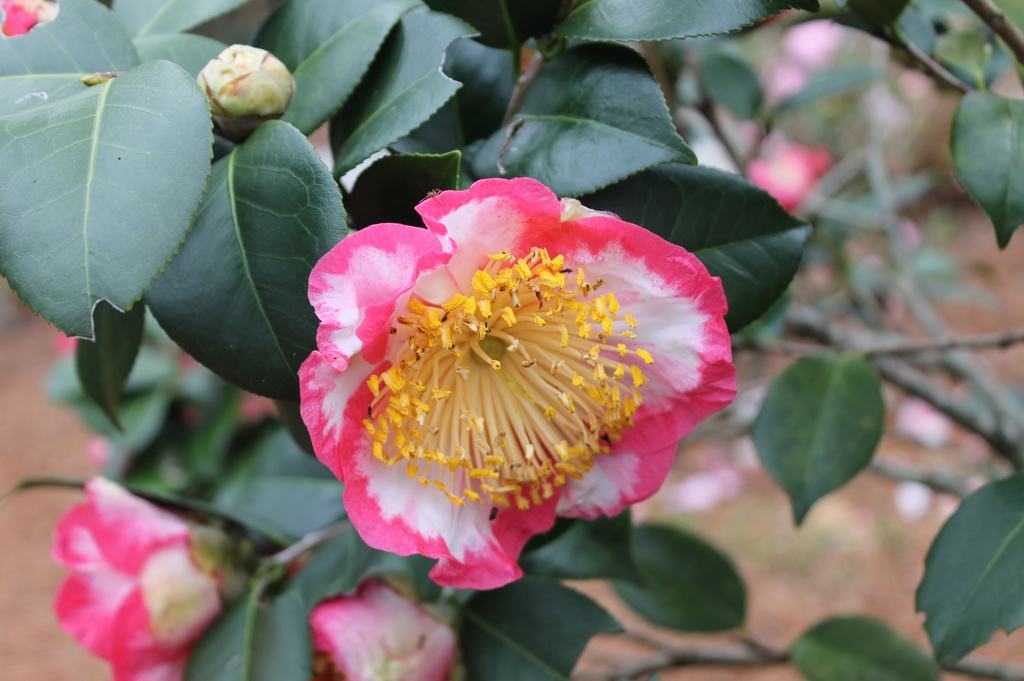
Camellia_japonica Higo Ohkan

Early in the new year, winter-flowering camellias (Camellia japonica) begin their display. Variety in picture is ‘Higo Ohkan.’ Image by skdavidson CC BY-SA 2.5. https://plants.ces.ncsu.edu

Fruit, Vegetables and Herbs

  • When browsing garden catalogs, prioritize varieties with improved insect and disease resistance. Keep an eye out for drought-tolerant types as well.
  • Now is the time to order strawberry, blueberry, and blackberry plants for mid-March planting.
  • January and February are the primary months for pruning grapevines.
  • You can begin starting cool-season vegetables – such as broccoli, cabbage, cauliflower, lettuce, and kale – from seed indoors this month. These cool-season veggies can then be transplanted into the garden in February.
  • Plant asparagus crowns this month whenever the soil is dry enough to worked.

Jessica Strickland is an agriculture extension agent, specializing in horticulture for North Carolina Cooperative Extension in Wayne County.

Grow With Us!