December Gardening Tips

(Updated: Dec. 17, 2025, 4:06 a.m.)

In December, our minds are often more on holiday preparations than garden chores. However, if you need a break from the holiday rush, use these tips to guide your time in the garden:

General Maintenance
  • If your soil test results indicate that the soil is acidic, your garden, landscape, or lawn could benefit from an application of lime. Because lime takes several months to react with the soil, a winter application helps prepare the ground for spring planting.
  • Continue the cleanup efforts from last month. Remove dead plant debris from the landscape and vegetable gardens to prevent diseases from overwintering and resurfacing next season.
  • These cold winter days are an excellent time to observe the bare spots in your landscape and begin planning your plant selections for next year.
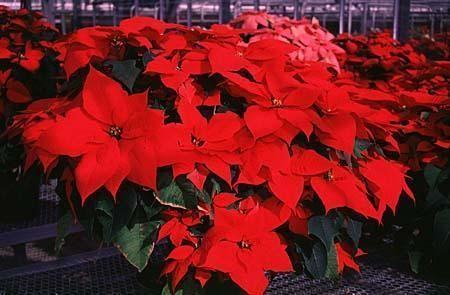
Poinsettias are a very common site during the Christmas holidays.
To keep your poinsettia looking vibrant, place them in a location with bright, indirect sunlight.
Trees, Shrubs, and Flowers
  • Do not prune azaleas, rhododendrons, or other spring-flowering shrubs, as they have already set their buds for next year's blooms. While minor pruning is acceptable at any time of year, the best time for significant pruning is in early summer - immediately after they finish flowering but before the first of July.
  • To keep your poinsettia looking vibrant, place them in a location with bright, indirect sunlight. Check the soil daily; water when the surface feels dry, but be careful not to overwater. Avoid placing them near cold drafts or heat vents.
  • Don't forget to fertilize and deadhead (remove spent flowers) pansies to keep them flowering throughout the winter. Use a general all-purpose fertilizer, such as 10-10-10, every 3 to 4 weeks.
  • After the holidays, consider recycling your Christmas tree instead of tossing it in the trash. Many local programs chip trees for mulch.  Alternatively, trees can be submerged in private ponds to create a refuge for fish.
  • If you miss “playing in the dirt,” take leaf cuttings from favorite houseplants like African violets. Watching them root and grow is a rewarding winter project, and they make wonderful gifts!
  • Be careful not to overwater houseplants during the winter. Because they are semi-dormant and growth has slowed, they require significantly less water than they did in the summer.
  • Take hardwood cuttings from deciduous trees and shrubs. Dip the cut stems in rooting hormone powder and plant in a mixture of equal parts sand and vermiculite, keeping the medium moist.

Fruit, Vegetables and Herbs
  • Order seed catalogs now so you can begin planning your layout and decide which seeds to purchase in January.
  • Remove all mummified fruit remaining on fruit trees and rake up any that have fallen. Also, rake and dispose of apple and cherry leaves. Good sanitation practices significantly reduce the reinfestation of insects and diseases next season.

Jessica Strickland is an Agriculture Extension Agent, specializing in horticulture for North Carolina Cooperative Extension in Wayne County.Grow With Us!