With fall just around the corner, September is a great time to prepare your garden for cooler weather using these monthly tasks:
September Gardening Tips
(Updated: Sept. 22, 2026, 2:59 p.m.)
Lawn
- Do not apply any more nitrogen fertilizer to warm-season lawns as they naturally slow down growth before winter.
- If your soil test report showed low potassium levels, apply a high-potassium fertilizer such as 0-0-50 at 2 lbs. per 1,000 sq. ft. by mid-September.
- Treat lawns that suffered from large patch disease in the spring with a fungicide this fall.
- Reduce your irrigation frequency this month as days become shorter and cooler.
- Apply a pre-emergent herbicide in September to prevent winter weeds from taking over your lawns.
Trees, Shrubs, and Flowers
- September is an ideal time to divide and transplant spring-blooming perennials.
- Plant pansies and other winter annuals from mid-September through mid-October to help them establish before the first frost.
- Avoid major pruning in the fall, as it depletes energy reserves needed for spring growth, and only remove dead, dying, or diseased branches.
- Skip heavy fertilizer applications on trees and shrubs because tender new growth can be easily damaged when colder weather arrives.
- Trigger reblooming on last year’s poinsettia by placing it in total, uninterrupted darkness for 15 hours a day starting the last week of September, making sure it receives bright sunlight during the day.
- Inspect houseplants for insects and repot any root-bound plants before bringing them back inside for the winter.
- Save seeds from self-pollinating annuals like marigolds and zinnias by letting flower heads mature, drying them on newspaper, and storing them in paper envelopes or glass jars in a cool, dark place.
- If dry autumn weather sets in around October, water young or recently planted trees and shrubs.
- Remember that fungal leaf spots are common on trees and shrubs in fall and rarely require chemical treatment.
Fruit, Vegetables and Herbs
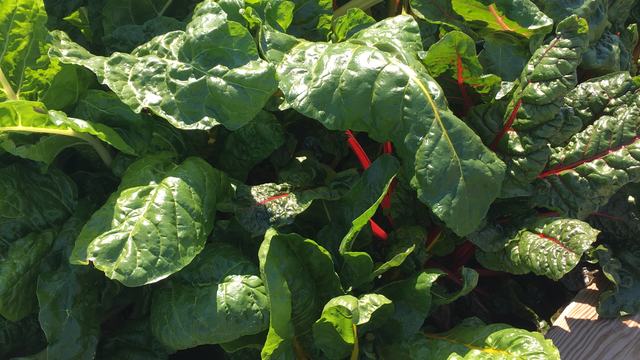
- Set out transplants for broccoli, cabbage, collards, kale, spinach, and Swiss chard in early September.
- Sow cilantro and dill seeds directly into garden beds or containers for a fall harvest.
- Scout fall vegetable crops regularly for caterpillars and aphids.
- Improve your garden soil by adding organic matter such as compost, aged manure, and fallen leaves.
- Harvest muscadine grapes as they begin ripening this month and continue through the fall.
Jessica Strickland is an agriculture extension agent, specializing in horticulture for North Carolina Cooperative Extension in Wayne County.
Grow With Us!
- Get Timely Gardening Tips! Sign up for the Wayne County Extension Gardening email list to get expert advice delivered to your inbox.
- Join the Conversation! See happenings at the N.C. Cooperative Extension Center in Wayne County by following us on Facebook and Instagram.
- Find Your Next Favorite Plant! Explore the North Carolina Extension Gardener Plant Toolbox to discover more plants suited for your landscape.
Join our mailing list!
Enter your email address to receive updates.
Written By