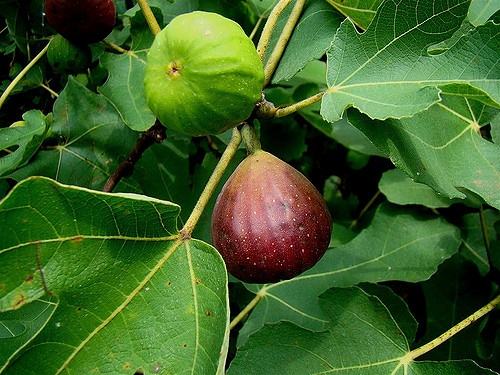
With the start of the New Year, many of us have made resolutions to get healthy, reduce stress, or start a new hobby. Gardening is a wonderful way to accomplish all of these goals. As interest in “homegrown” food continues to rise, fruit trees have become a popular choice for those looking to harvest fresh produce right outside their back door.
While the benefits of growing your own fruit are numerous – including superior flavor, better nutrition, and complete control over what is applied to your food – it is important to be realistic. Fruit trees are not low-maintenance plants. They require consistent work, including annual pruning and close monitoring for pests, diseases, and weather-related stress.
In Wayne County, some of the easiest fruit trees to grow include figs, pears, and plums. Conversely, apples, peaches, and nectarines are considered “high-input” crops; they require significant pruning and pest control to yield a quality harvest. Due to our specific climate, some fruits like apricots and cherries are generally unsuitable for our area. However, if you have a sunny room or sunroom, citrus trees can be grown successfully in containers and moved indoors during the winter.
Success begins with a plan. Site selection is an important factor for fruit production. All fruit-bearing trees require a location with excellent drainage and full sun. Before planting, it is essential to determine your soil pH. You should aim for a pH between 6.0 and 6.5. Soil test kits are available at the Wayne County Extension Office (3114 B Wayne Memorial Drive, Goldsboro), and testing guides you to how best adjust the soil before planting.
Pollination is another factor that requires advance planning. Apples, pears, and plums typically require cross pollination, meaning you should plant at least two different varieties to increase fruit production. In contrast, peaches, nectarines, and figs are self-fruitful, so a single tree can produce a harvest on its own.
Because many fruit trees depend on honeybees, it is vital to protect out pollinators. Never apply insecticide when trees are in full bloom, as honeybees are highly susceptible to many common garden chemicals.
When choosing a tree, remember that not every variety sold in big-box stores is suited for Eastern North Carolina. Most fruit trees, especially apples and peaches, require a specific number of chilling hours to develop flower and leaf buds properly. Chilling hours are the cumulative time spent between 32 and 45°F during the winter. In Southeastern North Carolina, we typically receive 800 to 1,000 chilling hours. If you plant a variety that requires more hours, flowering may be delayed and erratic; if you plant one that meets its hour requirement too soon, it may bloom too early and lose its crop to a late frost. Chilling that exceeds a fruit tree’s minimum requirement can lead to a stronger bloom and a heavier crop. However, a heavier crop could require more thinning for best fruit quality and size.
Finally, research pest resistance. Choosing a resistant variety can significantly reduce the need for pesticides. However, for trees like peaches and apples, routine treatments are often essential to prevent common insect and fungal issues. If you prefer to grow fruit organically or want to avoid spraying altogether, figs are the best choice for our region.